

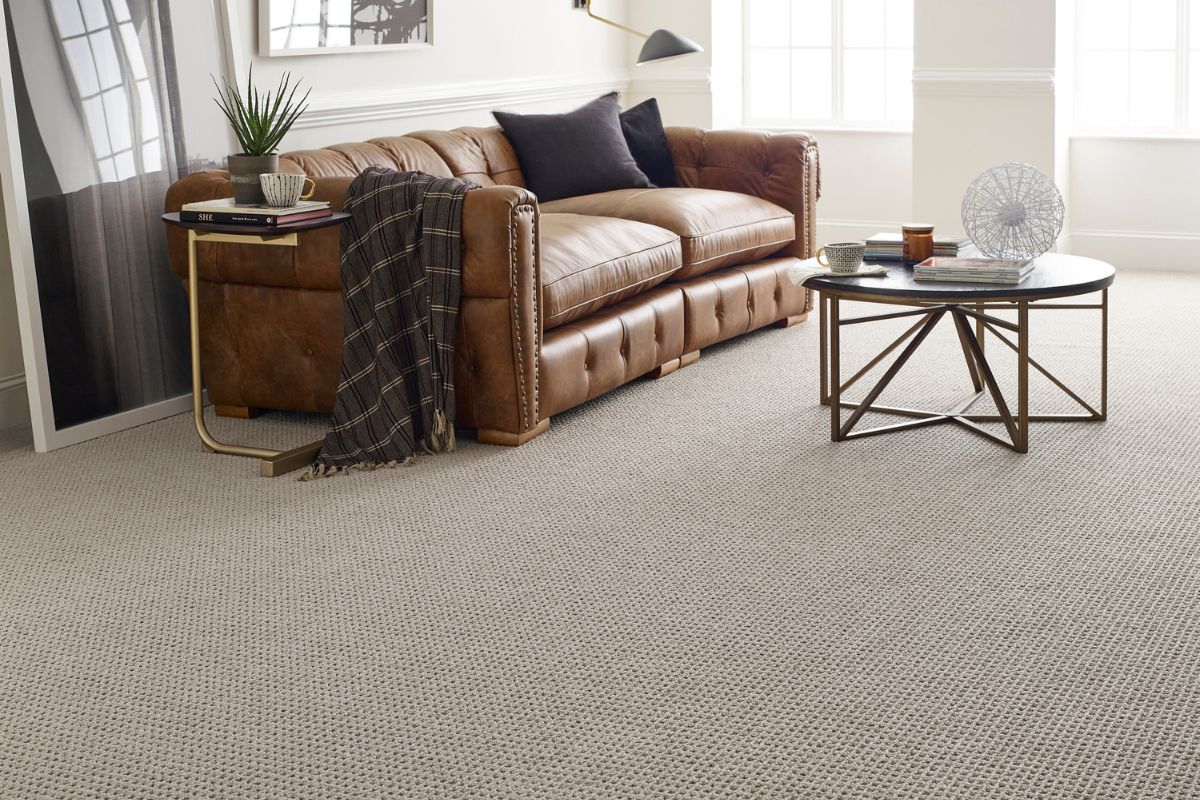
At Vogel's Carpets, one of the most common questions we hear from homeowners is how Seattle's moisture affects carpet performance. With constant rain, damp winters, and high humidity, choosing the right carpet matters more here than in many other parts of the country. If you're researching carpet flooring near me or checking a carpet flooring buyer's guide, it's essential to understand how moisture plays a role in comfort, durability, and long-term value.
Here's what Seattle buyers should know before choosing a carpet style for their home.
Why moisture matters when buying carpet in Seattle
Moisture affects how carpet wears, how it feels, and how long it lasts. Carpets that are not designed for damp climates may trap moisture, leading to odors, mold growth, and uncomfortable flooring. This makes fiber type, padding, and installation method important decisions—not just style choices.
In any reliable carpet flooring buying guide, these moisture considerations are highlighted as a key factor for homeowners in rainy climates.
Best carpet fibers for moisture resistance
Some carpet fibers handle moisture better than others. Choosing the right type can significantly improve your carpet's lifespan and comfort.
1. Solution-dyed polyester
Solution-dyed fibers repel moisture and resist staining, making them a strong choice for Seattle homes.
2. Triexta
Triexta fibers are naturally moisture-resistant, durable, and easy to clean. This fiber type performs well in basements, entryways, and living rooms that see damp conditions.
3. Nylon with a high-quality treatment
Nylon is strong and resilient, but the best options in humid climates include stain- and moisture-resistant coatings.
4. Wool (with caution)
Wool is naturally cozy, but it absorbs moisture more than synthetic fibers. In damp environments, wool can work well with the right padding and proper home ventilation.
As your trusted partner for carpet flooring in Seattle, WA, we help you compare samples and choose the fiber that matches your lifestyle and moisture tolerance.
Carpet padding: Your first line of defense
Padding is often overlooked, but it's one of the most important decisions when dealing with moisture. A standard carpet flooring buyer's guide may mention padding, but Seattle homeowners need additional insights.
Recommended padding options for damp climates:
Moisture-resistant foam padding
Helps prevent mold and mildew growth from below.
Rubber padding
Highly resistant to moisture and great for basements.
Memory foam padding
Soft, supportive, and dense enough to keep moisture from penetrating.
Installing carpet without the right padding in a damp climate can lead to early replacement and higher long-term costs.
Installation factors that help protect against moisture
When reading a carpet flooring installation cost guide, you'll notice that moisture management is included in many professional installation processes. That's because proper installation helps prevent common issues like delamination, mildew, and uneven wear.
Moisture-related installation steps include:
Subfloor moisture testing
Using moisture-resistant adhesives when necessary
Installing vapor barriers in basements
Using carpet techniques that improve airflow and drying
Choosing experienced carpet flooring installers ensures that your carpet is protected from the start—not after problems appear.
Carpet styles that work best in damp climates
Not all carpet constructions perform the same in Seattle's weather. Here are the best styles for moisture-prone environments:
1. Low-pile carpet
Low-pile carpets dry faster and trap less moisture, reducing the risk of odor.
2. Loop pile (Berber)
Looped fibers resist absorbency and stay cleaner longer.
3. Patterned carpet
Dense construction and tighter weaves help reduce moisture retention.
4. Outdoor-indoor blends for entry areas
These carpets withstand wet shoes and heavy traffic.
High-pile or shag carpets may feel luxurious, but they can hold onto moisture and take longer to dry in humid areas.
Cost considerations for moisture-friendly carpet
Moisture-resistant carpets and padding may have slightly higher material costs, but they often save homeowners money in the long run. When comparing Seattle, WA remodeling company prices, keep in mind:
Padding upgrades improve lifespan
Better fibers resist mold and stains
Professional moisture testing saves future repair costs
A good carpet flooring installation cost guide will emphasize that proper preparation and quality materials prevent the expensive problems that moisture can cause.
Choose carpeting confidently with our guidance.
At Vogel's Carpets, we help you choose carpet styles, fibers, and padding designed to handle Seattle's climate. As your trusted flooring company near me, we walk you through every step—from product selection to final installation—so you get flooring built to last.
Vogel's Carpets proudly serves Seattle and Kent, WA.


