

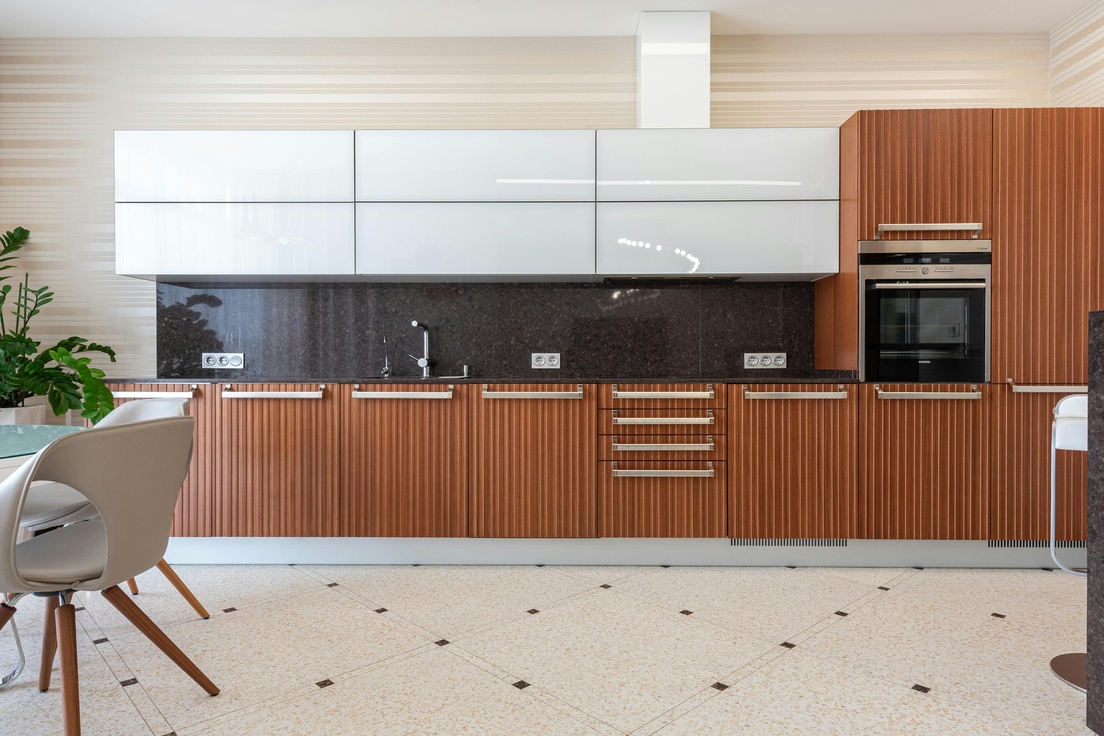
Kitchens serve as the true heart of every home, but they also endure heavy foot traffic, sudden liquid spills, and relentless daily wear. Choosing the ideal surface requires balancing long-lasting durability, moisture resistance, and effortless maintenance without sacrificing design. Between rainy Seattle weather, busy cooking schedules, and active routines, your floor needs to withstand mud, dropped cast-iron skillets, and constant scuffs. At Vogel's Carpet & Flooring, our 38 years of dedicated experience bring award-winning customer care and deep technical knowledge to every renovation. We service the entire greater Seattle area, with a showroom on Aurora Ave in North Seattle and an location in Kent, WA. From initial consultations and estimates to final installation, we strive to make your project easy and worry-free. Whether you live in Seattle, Kent, or surrounding neighborhoods, finding the best tile for kitchen floors comes down to comparing density, water absorption rates, and slip resistance underfoot.
Is porcelain tile the absolute best option for busy kitchen floors?
Porcelain tile consistently earns top marks from designers and home contractors working in demanding kitchen environments. Crafted from highly refined clays fired at extreme heat, porcelain builds a dense, tough body that stays virtually immune to moisture.
Porcelain carries a water absorption rate under 0.5 percent. That low absorption makes it practically waterproof against standing dishwater, coffee spills, or wet boots tracked inside. Its uniform color body hides minor chips effectively, while the scratch-resistant surface holds up under heavy appliance movement and pet nails.
Modern manufacturing also creates realistic wood-look planks, marble textures, and natural stone patterns in porcelain tile flooring formats. You get the rich visual aesthetic of real timber or raw slate without worrying about moisture warping, staining, or tedious sealing routines.
How does ceramic compare to porcelain for kitchen floor tiles?
Ceramic tile shares a close kinship with porcelain, but craftsmen fire it at lower temperatures using slightly coarser clay blends. That production method yields a softer tile body that remains a fantastic, cost-effective option for many home spaces.
Cost and accessibility: Ceramic tiles are generally lighter and easier to cut, keeping material costs and installation timelines lower.
Design variety: Ceramic offers extensive glazed color options, decorative patterns, and classic subway or geometric formats.
Moisture performance: While ceramic handles standard household splashes well, its body absorbs slightly more water than porcelain.
If you are managing a strict budget while seeking timeless style, ceramic kitchen floor tiles deliver wonderful value. However, if your kitchen faces heavy foot traffic, direct backyard entryways, or constant moisture, porcelain gives you extra long-term protection.
Why consider natural stone tile floors for custom kitchen designs?
Natural stone tiles like slate, granite, marble, and limestone bring organic warmth, distinctive vein patterns, and unique textures to custom spaces. No two stone slabs look identical, giving your residence an exclusive feel.
Slate: Provides natural slip resistance through its textured cleft surface. Deep charcoal and earthy rust tones hide dirt and pet hair effortlessly.
Granite: Ranks as one of the hardest natural minerals available, resisting surface scratches and hot pan impacts better than almost any alternative.
Travertine and limestone: Offer soft, creamy aesthetics underfoot, but require routine sealing to shield against acidic spills like wine, citrus juice, or vinegar.
While real stone demands periodic sealing to preserve its protective barrier, its enduring beauty adds unmistakable character and resale value to homes across King County.
Which safety and texture features matter most for kitchen tile floors?
Selecting tile floors involves more than picking out attractive color swatches at our North Seattle showroom. Safety underfoot remains essential in cooking areas where oil splatters, sink water droplets, and wet shoes create slick surfaces.
Pay close attention to the Dynamic Coefficient of Friction rating on product specifications. Tiles rated at 0.42 or higher provide superior traction when wet, minimizing accidental slips. Choosing matte finishes, lightly textured surfaces, or smaller tile layouts with frequent grout lines adds extra physical grip underfoot.
Grout selection also impacts long-term maintenance. Standard cementitious grout requires periodic sealing to resist grease and food stains. High-performance epoxy or urethane grouts stay non-porous, repelling liquids naturally and keeping grout lines clean with basic sweeping and mopping.
Why partner with Vogel's Carpet & Flooring for your project?
Selecting floor materials represents a major commitment, but buying them should stay entirely worry-free. In 2019, KOMO News spotlighted our business for receiving top rankings from Consumers' Checkbook, an independent non-profit consumer education service. We have earned Angie's List awards for 12 consecutive years and were named an Expertise.com Best Flooring Company in Seattle winner in 2021.
We support you in creating your ideal space with uncompromising standards of quality at a price point that fits your budget. Our dedicated team guides you through every step, helping you evaluate product wearability, design trends, and technical specifications with complete confidence.
Ready to explore high-performance tile options for your home? Visit our Seattle showroom on Aurora Ave N, connect with our Kent location, or contact our team online today to schedule your consultation and start building your dream kitchen.


